
Key Takeaways
- Heritage Preservation: Georgian parquet is a high-value historic asset; sympathetic heritage restoration is required to protect the 200-year-old mahogany and oak.
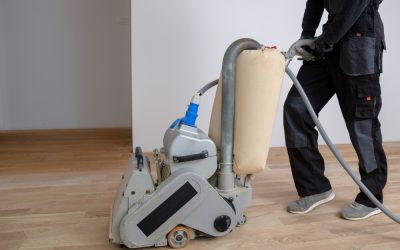
- Advanced Sanding: The Bona Flexisand multi-disc machine is the only safe way to sand complex parquet without causing cross-grain scratches.
- Tannin Pull Management: Mahogany and oak react differently to water-based lacquers; strategic priming is essential to avoid blotchy finishes.
- Information Gain Pro-Tip: Use water popping before staining to ensure the deep tannin profile of Georgian mahogany is fully revealed.
The grand hallways of Georgian London and the regency townhouses of the UK coastline often hide a masterpiece beneath decades of wax and grime: the original parquet floor. Unlike the mass-produced patterns of the late 20th century, Georgian parquet often features intricate mahogany borders, oak centrepieces, and delicate ‘finger’ blocks. However, the Problem is that these timber treasures are frequently in a state of advanced neglect. Loose blocks, deep-set stains from coal fires, and the structural shifting of 200-year-old subfloors make restoration a daunting task for even the most experienced tradesmen.

The Heritage Agitation: Irreversible Damage
For a homeowner, the Agitation lies in the risk of losing the floor entirely. Georgian parquet is often thinner than modern blocks, meaning there is very little room for error during the sanding process. Hiring a general builder or using a heavy drum sander can lead to ‘sand-throughs’ where the wear layer is permanently destroyed. Furthermore, the use of incorrect adhesives in previous decades can cause blocks to lift or ‘chatter’ under the machine. Without a professional moisture content (MC) assessment, applying a modern finish to these old floors can lead to disastrous grain raising or lateral bonding, where the entire floor pulls itself apart during the winter heating season.
The Restoration Solution: Precision and Chemistry
The Solution is a bespoke heritage restoration protocol that prioritises the integrity of the original timber. Our wood floor restoration process begins with a meticulous block-by-block inspection. We secure loose parquet using high-performance, moisture-resistant polymers that replicate the flexibility of original resins. To strip the floor, we avoid aggressive drum sanders, opting instead for the Bona Flexisand. Its multi-disc action sands in overlapping circles, which is the only way to treat the multi-directional grain of herringbone or chevron patterns without causing damage. For more on handling complex patterns, see our guide on bitumen removal and heritage restoration.
Pro-Tip: Revealing the Mahogany Glow
Georgian mahogany is prized for its deep, reddish-brown hues and vibrant grain. To maximize this, we employ a technique known as water popping. After the final fine-sanding pass (typically 100 or 120-grit), we lightly mist the floor with distilled water. This opens the wood grain, allowing the subsequent oil or stain to penetrate deeper. This is the secret to achieving that ‘museum-quality’ finish that highlights the natural tannin pull of the mahogany without the need for heavy pigments.

Finishing Georgian Timber: Lacquer vs Hardwax Oil
Choosing the right sealant is a balance between protection and period-accuracy. While Bona Traffic HD offers unparalleled protection against the spills of a modern London kitchen, many of our Georgian clients prefer the satin-matte look of Osmo Hardwax Oil. This finish is ‘open-pored’, allowing the floorboards to breathe and accommodating the natural moisture swings of older British homes. It is also easier to spot-repair in high-traffic areas. For a detailed comparison of these finishes, read our guide on timber longevity and aftercare.
A restored Georgian parquet floor is more than just a walking surface; it is a piece of art that adds significant value to your property. Whether your floor requires minor repairs or a full-scale renovation, our team of specialist tradesmen is here to help. Explore our gallery for inspiration, or get in touch for a free consultation. We are fully insured, VAT registered, and dedicated to the highest standards of British craftsmanship.
For deeper research into heritage timber patterns, we recommend consulting the Society for the Protection of Ancient Buildings (SPAB).